

Brick Outdoor Kitchen

Key Takeaways
- Brick outdoor kitchens add long-term durability, value, and timeless style to backyard spaces.
- Proper planning and site preparation, including utilities and a concrete footing, create a stable foundation.
- Brick walls, mortar, and appliance cut-outs form the structural framework of the kitchen.
- Countertops, appliances, and sealing provide the finishing touches for function and protection.
- Design options such as linear islands, L-shaped layouts, and modular kitchens allow for customization.
About This Project
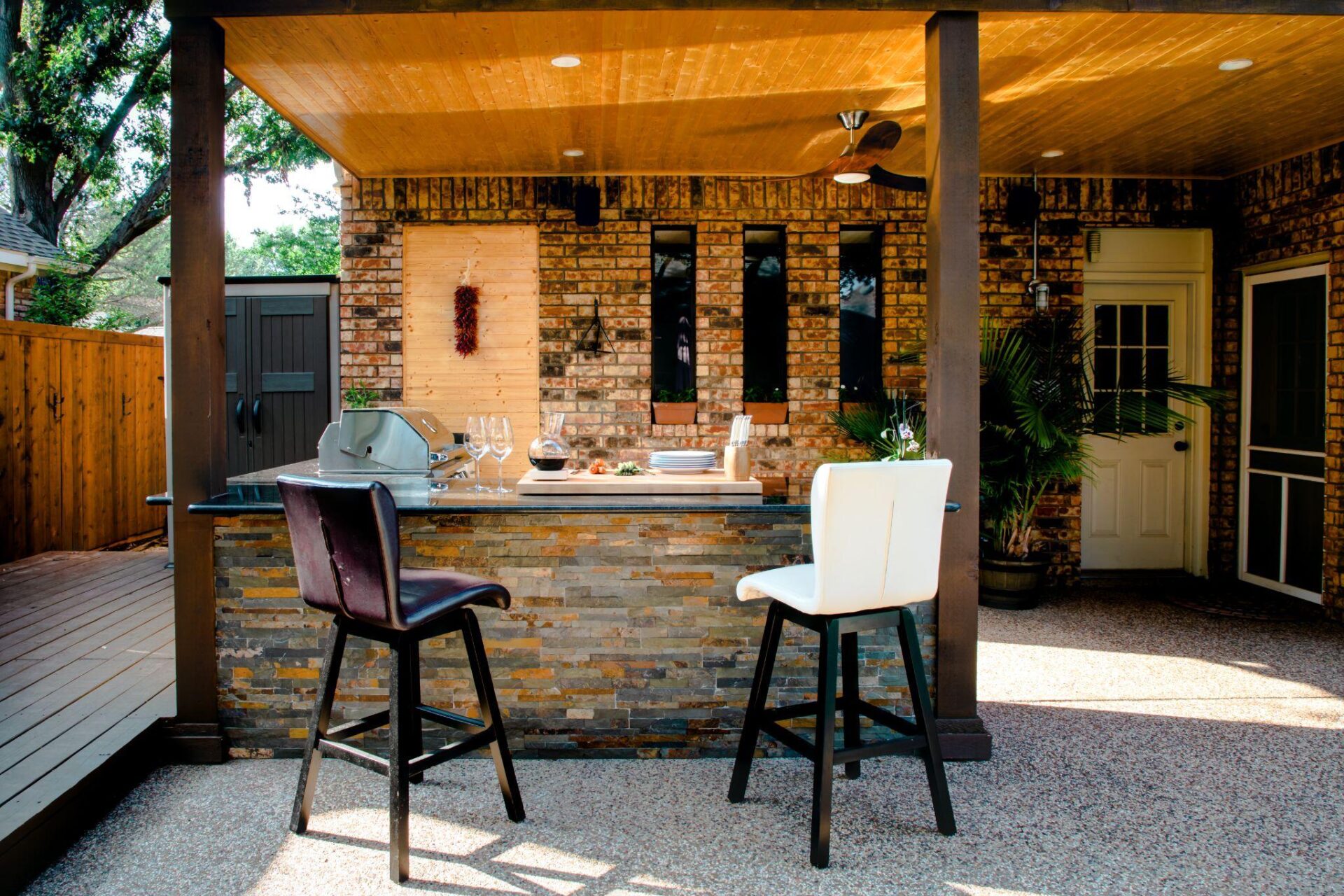
Outdoor Kitchens
Thinking about adding an outdoor kitchen to your backyard but unsure which materials will stand the test of time? Because these spaces are constantly exposed to weather, heat, and daily use, choosing the wrong materials can lead to costly repairs and a shorter lifespan.
Brick offers a reliable option. It resists fire, holds heat, and adapts to a wide range of landscape designs, all while adding lasting value to your home. In this guide, we’ll walk through how to build a brick outdoor kitchen that is both functional and durable, giving you a space to enjoy for years to come.
Benefits of Using Brick for an Outdoor Kitchen
Choosing the right material is one of the most important decisions when planning an outdoor kitchen. Brick has been trusted for centuries because it combines strength, style, and practicality. For homeowners in Virginia, it offers a balance of durability and design that works well in our climate.
- Durability: Brick withstands harsh weather, including freeze–thaw cycles common in Virginia, and unlike wood or metal, it does not rot or rust.
- Fire resistance: Brick is non-combustible, making it safer around grills, pizza ovens, and fire pits.
- Design flexibility: From traditional red to modern white finishes, brick supports a wide range of outdoor kitchen styles.
- Heat retention: Brick absorbs and radiates heat, helping create a comfortable outdoor cooking and dining space.
- Low maintenance: When sealed, brick resists moisture, stains, and mold.
- Long-term value: A brick outdoor kitchen enhances curb appeal and can increase property value over time.
At Batchelder & Collins, we provide homeowners and contractors across Hampton Roads with brick in a variety of sizes, colors, and finishes. Our team helps match each project with the right materials so that your outdoor kitchen isn’t just beautiful but built to last.
What to Keep in Mind When Building with Brick Outdoors
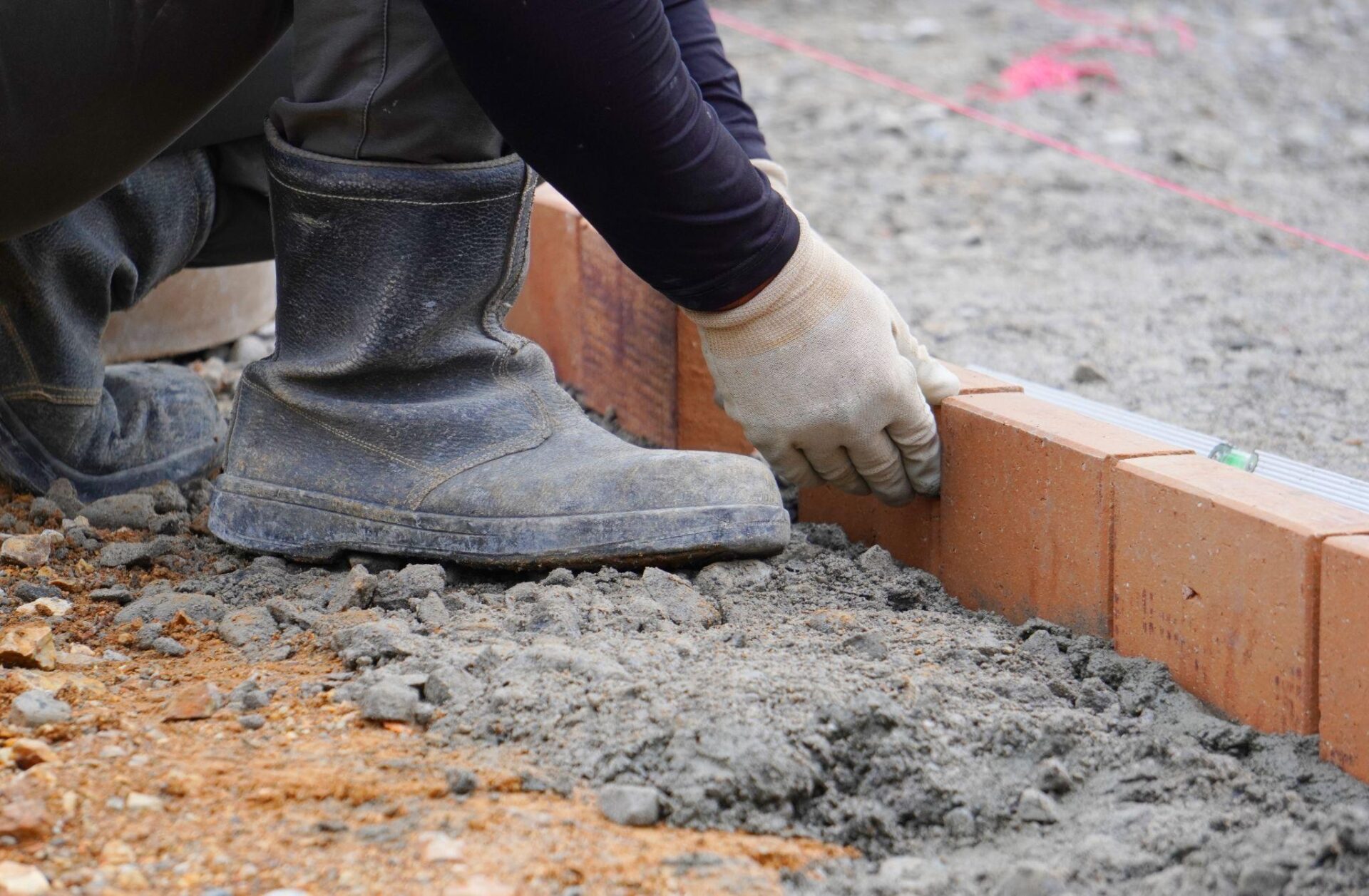
Brick is one of the most reliable materials for outdoor kitchens, but like any building choice, it comes with factors worth planning for. Understanding these considerations helps you avoid setbacks and get the most from your investment.
- Skilled installation: Bricklaying takes time and precision, which can make it challenging for some DIY projects.
- Solid foundation: A reinforced concrete footing is needed to support the weight of a brick structure.
- Moisture management: Without proper mortar and sealing, bricks may absorb water or develop cracks.
- Lasting design: Brick kitchens tend to have a traditional look, so remodeling later can be more involved.
- Cleaning: Because brick is porous, it may require more upkeep than smoother surfaces like stainless steel.
Working with quality materials makes these challenges easier to manage. Batchelder & Collins offers a wide selection of durable brick options that give your outdoor kitchen strength and style from the ground up.
Materials You Need to Build a DIY Brick Outdoor Kitchen
An outdoor kitchen build requires more than just bricks and mortar. Having the right materials and tools ready from the start makes the process smoother and helps create a lasting structure.
- Bricks: Use weather-resistant, exterior-grade brick suitable for Virginia’s climate.
- Mortar mix: Combine cement, sand, and water to bond bricks securely.
- Concrete: Needed to pour reinforced footings that support the weight of the kitchen.
- Steel reinforcement: Rebar or angle iron provides added strength, especially around appliance openings.
- Countertops: Durable options include granite, concrete, or tile.
- Utility supplies: Plan for plumbing, propane or natural gas, and electrical wiring.
- Sealant or waterproofing: Protects brick from moisture and weather damage.
- Tools and safety gear: Essentials include trowels, a level, a masonry saw, a drill, gloves, and eye protection.
Batchelder & Collins supplies high-quality brick and masonry materials to help you start your outdoor kitchen project with confidence. With the right products on hand, you can focus on building a space that will last for years
Steps to Build a Brick Outdoor Kitchen
Building a brick outdoor kitchen takes planning, the right tools, and patience. Breaking the project into clear steps keeps the process organized and manageable.
Planning Your Brick Outdoor Kitchen
The planning stage sets the foundation for the project. Assess the available outdoor space, choose an ideal location, and decide on layout and dimensions. Consider sun exposure, wind direction, and how people will move between indoor and outdoor areas. Map out appliance placement and utility access early to avoid problems later.
Preparing the Site and Utilities
Before laying any bricks, clear the area, mark the footprint, and level the ground. Plan for utilities by running lines for water, gas, and electricity. Proper drainage is also important to help the structure resist water damage over time.
Pouring the Concrete Footing
A reinforced concrete footing provides stability for heavy brick walls and appliances. The footing should be wider than the planned structure and extend below the frost line in colder regions. Allow sufficient curing time before building to maintain long-term durability.
Laying the Dry Course of Bricks
A dry course is a trial layout of bricks without mortar. This step confirms dimensions, appliance openings, and alignment before permanent installation. Taking the time to complete a dry course can help prevent costly mistakes.
Building the Brick Walls With Mortar
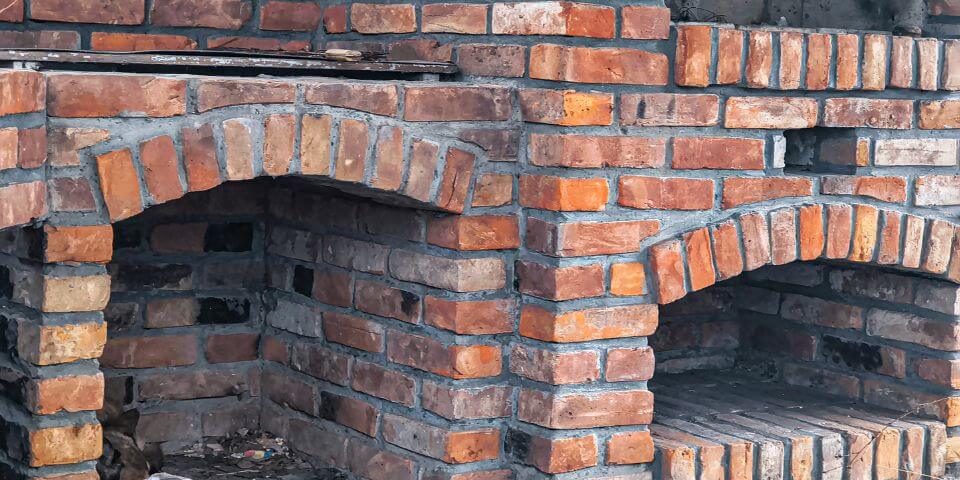
Once the dry layout is confirmed, begin construction with mortar. Lay bricks in even courses, keeping joints consistent and walls level. Steel supports, such as angle irons, should be installed over the openings for appliances. Cut-outs must be precise for grills, sinks, and refrigerators. Allow space for ventilation and future maintenance.
Installing Countertops
Countertops serve as the finishing surface. Common options include granite, concrete, or other durable materials. Proper leveling and secure installation are critical for both function and safety. Professional fabrication can help with heavier materials.
Installing Appliances
After walls and countertops are in place, install appliances carefully. Leave clearance for ventilation and servicing, and connect utilities according to safety codes for gas, electricity, and plumbing.
Finishing Touches and Sealing
Complete the project by cleaning mortar joints and applying a breathable silane/siloxane water repellent designed for brick, and avoid film-forming sealers that can trap moisture. Adding design details such as lighting, trim, or decorative finishes enhances both durability and appearance.
Ideas to Personalize Your Outdoor Brick Kitchen
Every outdoor kitchen is different because each homeowner brings their own style, needs, and vision to the project. Beyond the basics of structure and appliances, thoughtful design details can turn a simple cooking station into a welcoming centerpiece for your backyard. From materials and layout to greenery and year-round comfort, here are several ways to make your brick outdoor kitchen feel uniquely yours.
- You can personalize your kitchen with materials such as tile backsplashes, textured stone, or wood accents.
- Dividing the space into functional zones creates clear areas for cooking, preparation, dining, and entertaining.
- Adding appliances such as a pizza oven, kamado grill, or beverage fridge increases versatility.
- Features like pergolas, retractable covers, and outdoor lighting extend the kitchen’s usability into evening hours.
- Incorporating greenery with pavers, planters, or vertical gardens brings natural beauty and shade to the space.
- Installing heating elements or roll-down shades allows you to enjoy the kitchen in every season.
- Mixing brick tones, countertop finishes, and textures gives the kitchen a distinctive and custom look.
These outdoor kitchen ideas not only improve the function of your kitchen but also create a space that reflects your personality and enhances how you enjoy your backyard.
Creative Brick Outdoor Kitchen Designs
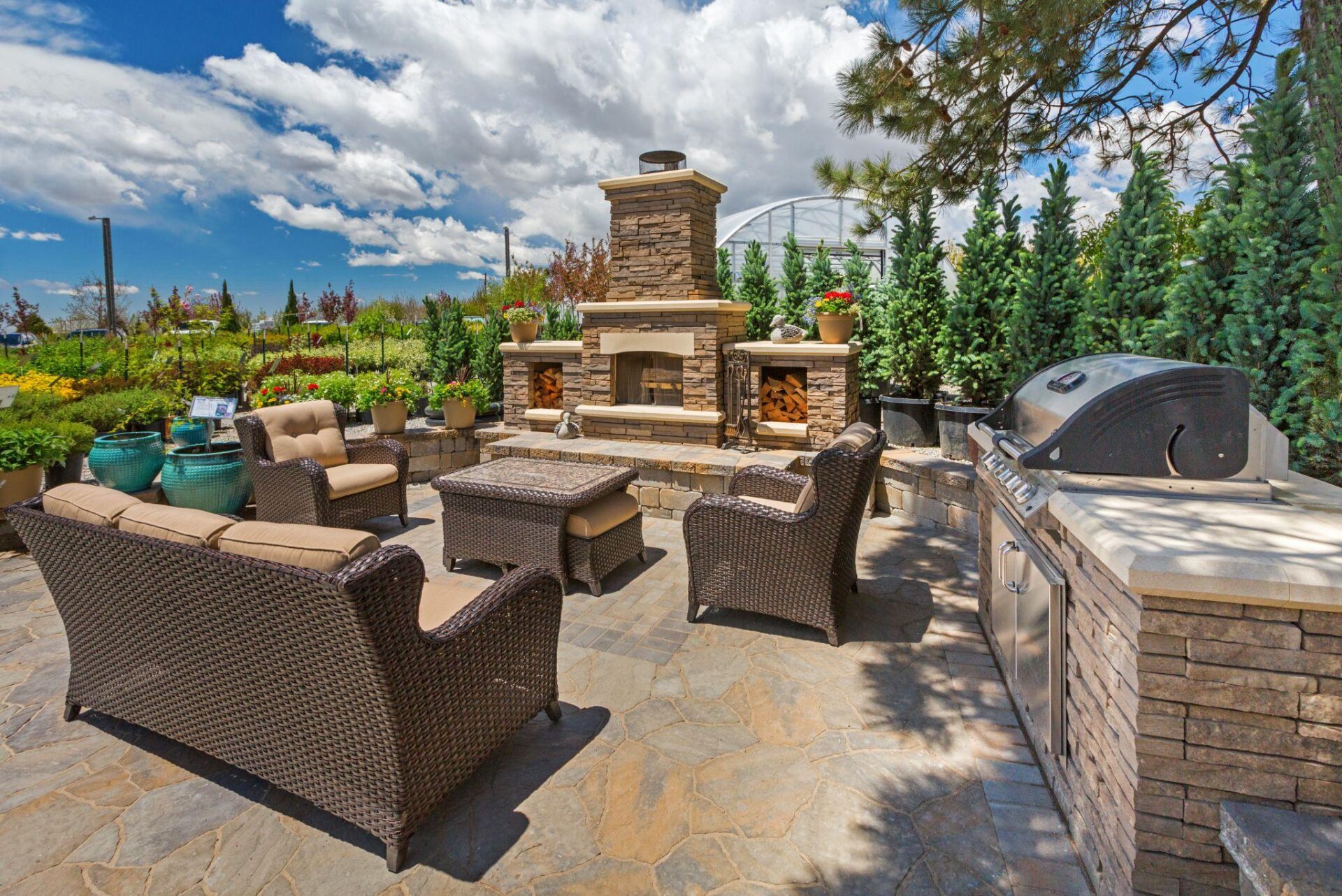
Your outdoor kitchen should match your space and lifestyle. These design ideas offer different layouts and features to help you create a setup that is both functional and inviting.
Simple and Clean Linear Island
A linear island works well for smaller yards by keeping the layout simple and efficient. It typically includes a grill, prep counter, and sometimes a small fridge. The straight design makes cooking flow easier while maximizing patio space.
Covered Outdoor Kitchen
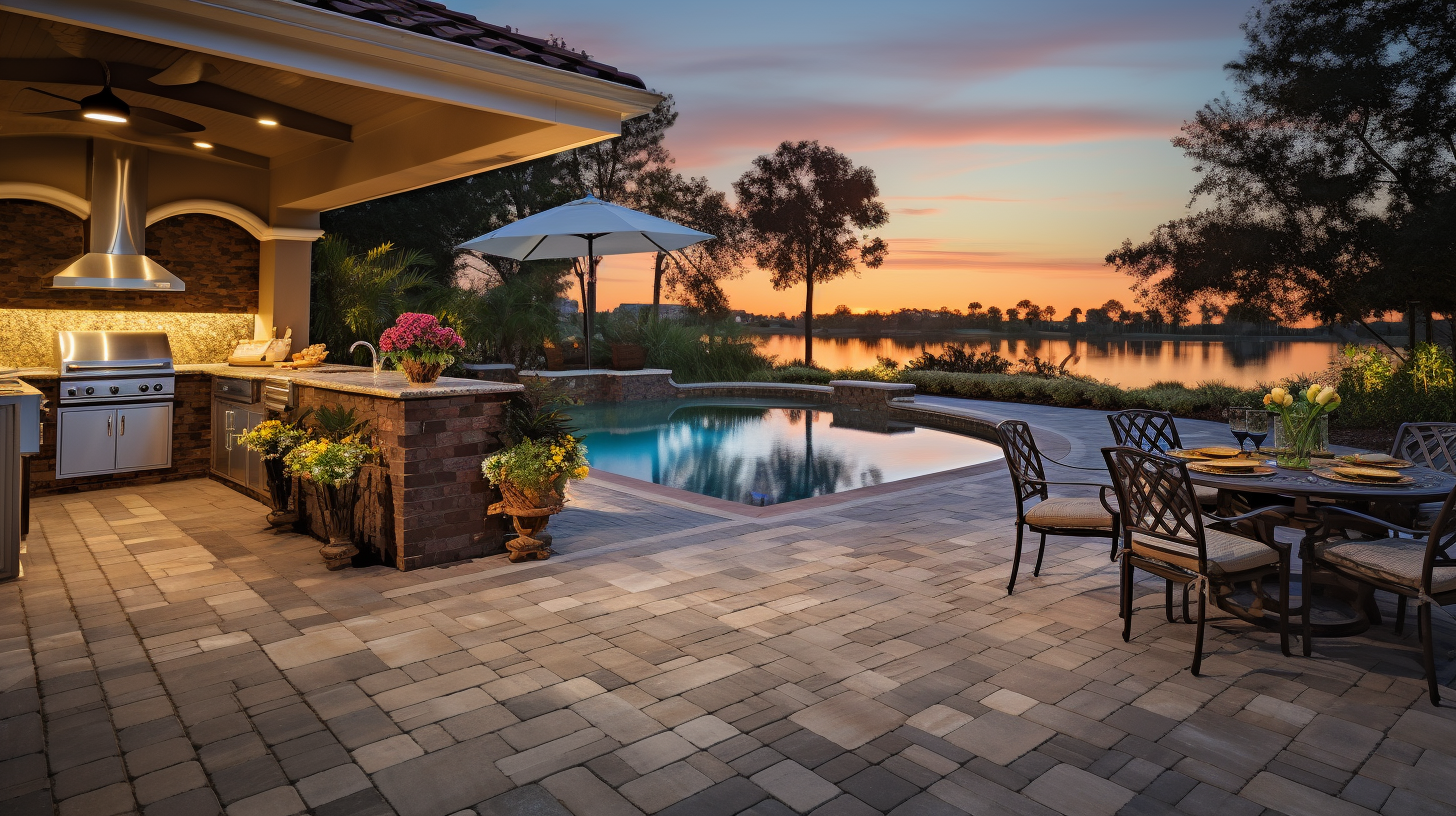
Adding a pergola, gazebo, or pavilion provides shade in summer and protection from rain or snow. This makes the space usable year-round, especially when paired with lighting or ceiling fans.
Split Islands
Split islands divide the kitchen into zones, such as one side for grilling and another for dining or serving. This setup improves movement, reduces crowding, and works well in irregularly shaped backyards.
Modular Outdoor Kitchens
Prefabricated modular units allow quick installation and flexibility. They often feature stylish finishes like stainless steel or stone, making them a practical choice for patios, decks, or smaller yards.
Small L-Shaped Kitchen
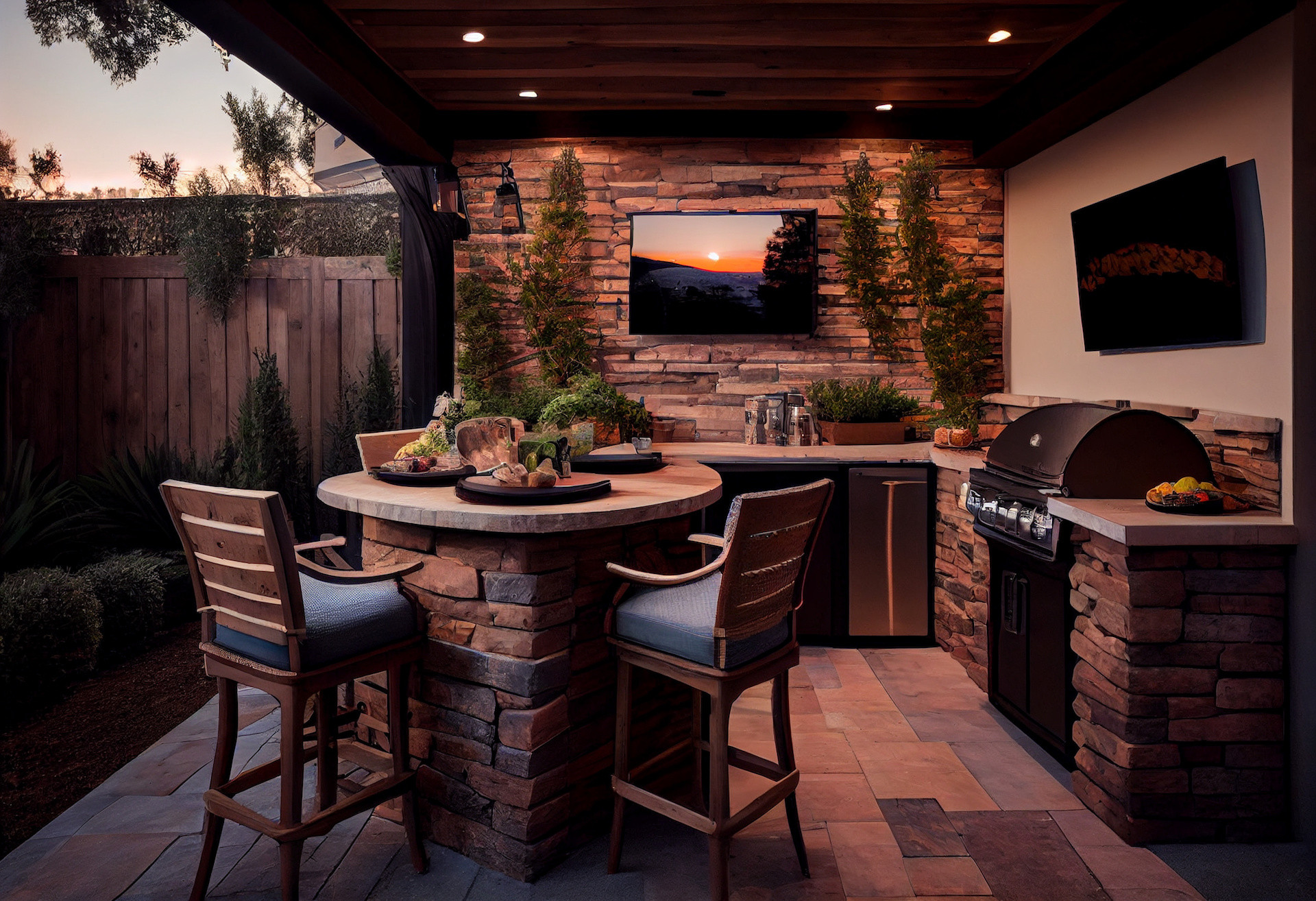
An L-shaped layout uses corner space efficiently and creates a natural connection between cooking and seating areas. It often places the grill on one side and a bar counter on the other, encouraging social interaction.
Multifunctional and Essential Setups
Compact kitchens with only the basics, such as a grill, workspace, sink, or mini-fridge, provide convenience without taking up much room. They work well for everyday use and smaller outdoor spaces.
Small Outdoor Kitchen Layouts Featuring Brick BBQ and Pizza Oven
Combining a BBQ island with a pizza oven creates a versatile cooking station. This design fits easily into linear or modular layouts and is popular for family gatherings.
Functional Yard Divider
A freestanding kitchen island can act as a divider between areas such as a patio and lawn. This layout adds utility while also defining separate outdoor living spaces.
Why Our Customers Choose Batchelder & Collins
Batchelder & Collins has served Hampton Roads, Virginia, since 1868, providing a wide selection of brick sizes, finishes, and color blends to fit any outdoor project. Our team works closely with homeowners and contractors, offering guidance rooted in more than 150 years of commitment to quality and durability.
As members of the Brick Industry Association (BIA) and the American Institute of Architects (AIA), we bring valuable industry connections to every project. Whether you are planning a small backyard BBQ area or a full outdoor kitchen, Batchelder & Collins supplies the masonry products and support needed to build outdoor spaces that last.
Testimonials
“Excellent selection of brick, stone, and pavers. Customer service was solid all five times that ive been there! They each give good advice to improve your project/ make it easier(in my case DIY) Pat has done a great job each time ive needed loading at the back lot. The man is a natural in that bobcat! Great job all of you!” — Brain G.
“This place is awesome. They’ve been around for a very long time. A there always great service. A good place to go if you need to get quality materials.” — Brett M.
“Always good customer service. Reasonable prices and loading of purchase items is fast and easy.” — Vincent M.
Frequently Asked Questions
Do I Need a Permit to Build an Outdoor Kitchen in Virginia?
In Virginia, permit requirements depend on the scope of the project. Simple, non-permanent setups such as a freestanding grill usually do not require permits. However, outdoor kitchens with roofing, built-in plumbing, gas or electrical hookups, or masonry structures often do. Utility connections must follow Virginia’s safety codes and may require licensed professionals and inspections. Homeowners should also check with their homeowners association, if applicable.
What Is the Best Material to Use for an Outdoor Kitchen?
The best materials are those that resist humidity, temperature changes, and occasional freezing. Brick and stone provide durability and fire resistance for the structure. Stainless steel is ideal for appliances and cabinetry because it resists rust and cleans easily. Granite and natural stone countertops offer heat resistance and long-term durability, while concrete or tile provide customizable, cost-effective options. Choosing materials that withstand Virginia’s climate helps reduce maintenance.
Does an Outdoor Kitchen Need a Foundation?
Yes, they need a stable base. In Virginia, that typically means a reinforced concrete slab or footings that extend below local frost depth (minimum 12 inches by code). It provides stability for heavy brickwork and appliances and helps prevent cracking or shifting caused by soil movement or freeze–thaw cycles. A solid foundation extends the life and safety of the kitchen.
What Is the Cheapest Way to Do an Outdoor Kitchen?
The most budget-friendly approach is to use modular or portable units rather than permanent masonry construction. DIY builds using recycled or lower-cost materials can also help reduce expenses. Limiting appliances and working with existing patio or deck space keeps costs down while still creating a functional cooking area.
Ready to Build Your Dream Brick Outdoor Kitchen?
Building an outdoor kitchen with brick is more than just a project — it is an investment in durability, style, and long-term value for your home. With the right materials, you can create a space that brings people together and withstands years of use and changing weather.
Since 1868, Batchelder & Collins has supplied homeowners and contractors across Hampton Roads with high-quality brick, stone, and masonry products. Whether you are planning a small backyard BBQ kitchen or a full outdoor kitchen, we have the materials and guidance to help you build it right from the start.
Contact Batchelder & Collins today at 757-625-2506 or use our online contact form to explore your options and get the brick and masonry supplies you need to bring your outdoor kitchen to life.
Project Gallery


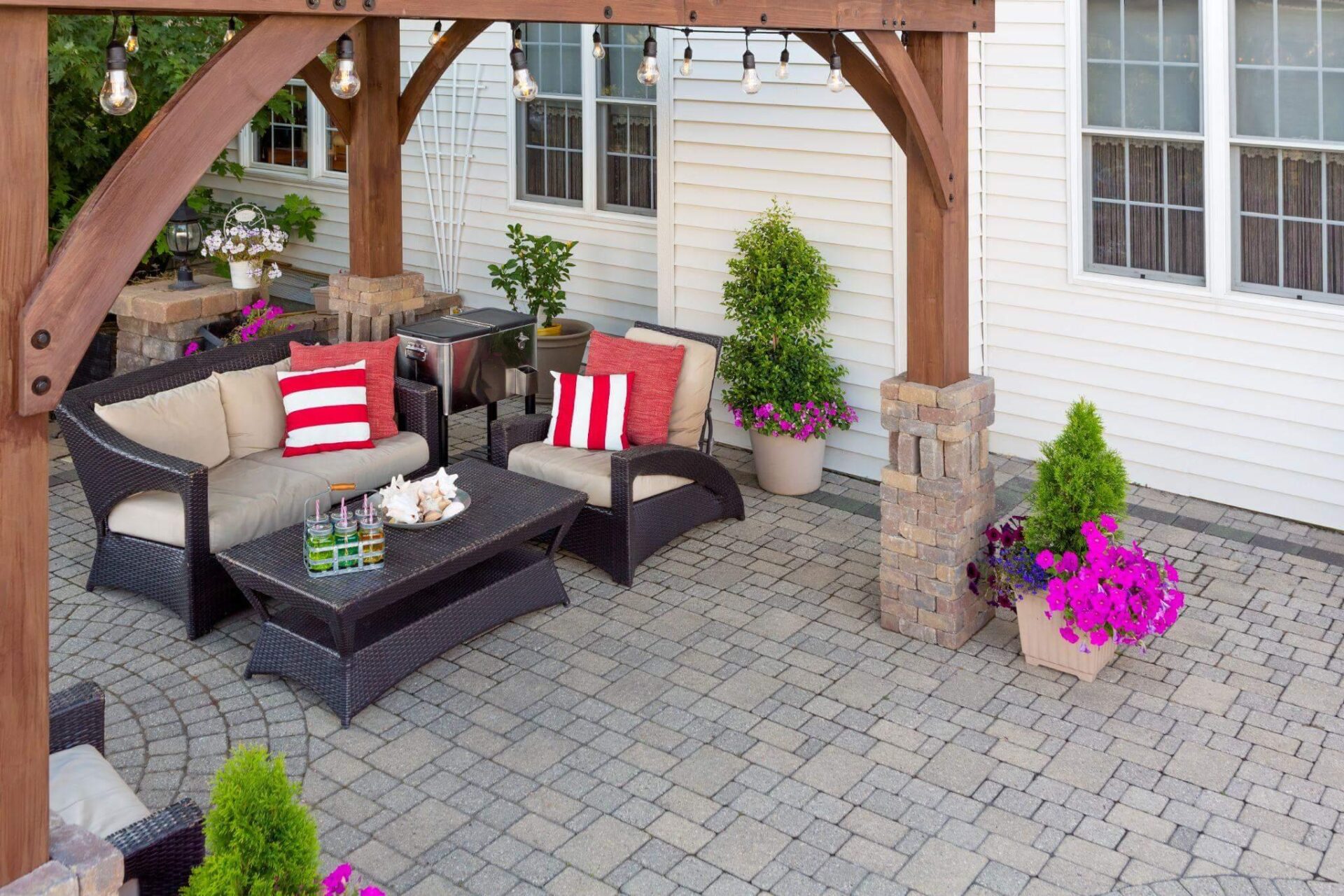
Enjoy Your Backyard All Fall Long

Now is the perfect time to take advantage of autumn’s mild days to prepare your backyard for the cold months ahead. But who’s to say you can’t still enjoy your backyard, spending time with your family, and cooking outdoors all fall long.
"*" indicates required fields
