


If you have noticed mold on brick surfaces, your health and safety may be at risk. We know that some black mold growth can cause severe health conditions. In terms of your home or commercial building’s structural integrity, mold can negatively impact brick walls.
Rather than pay for costly remediation, Batchelder & Collins works diligently with property owners in Norfolk, Williamsburg, and the greater Hampton Roads area to provide materials, products, and other resources. We hope the following information about how to clean mold off brickwork and hardscapes proves helpful.
What is Mold?
Microscopic fungi that flourish under specific conditions, mold can be found on living organisms or hard, inert materials such as bathroom tiles and brick walls. Molds play an essential environmental role in breaking down organic materials. While most do not pose a human health threat, contact with toxic black mold and others may lead to the following:
- Respiratory conditions
- Eye irritation
- Skin rashes and redness
Long-term exposure to harmful mold spores can lead to conditions such as asthma, cognitive disorders, depression, and chronic neurological issues. Those are among the primary reasons homeowners and contractors must remove mold and mildew from brickwork and other surfaces.
How Does Mold Grow on Brick?
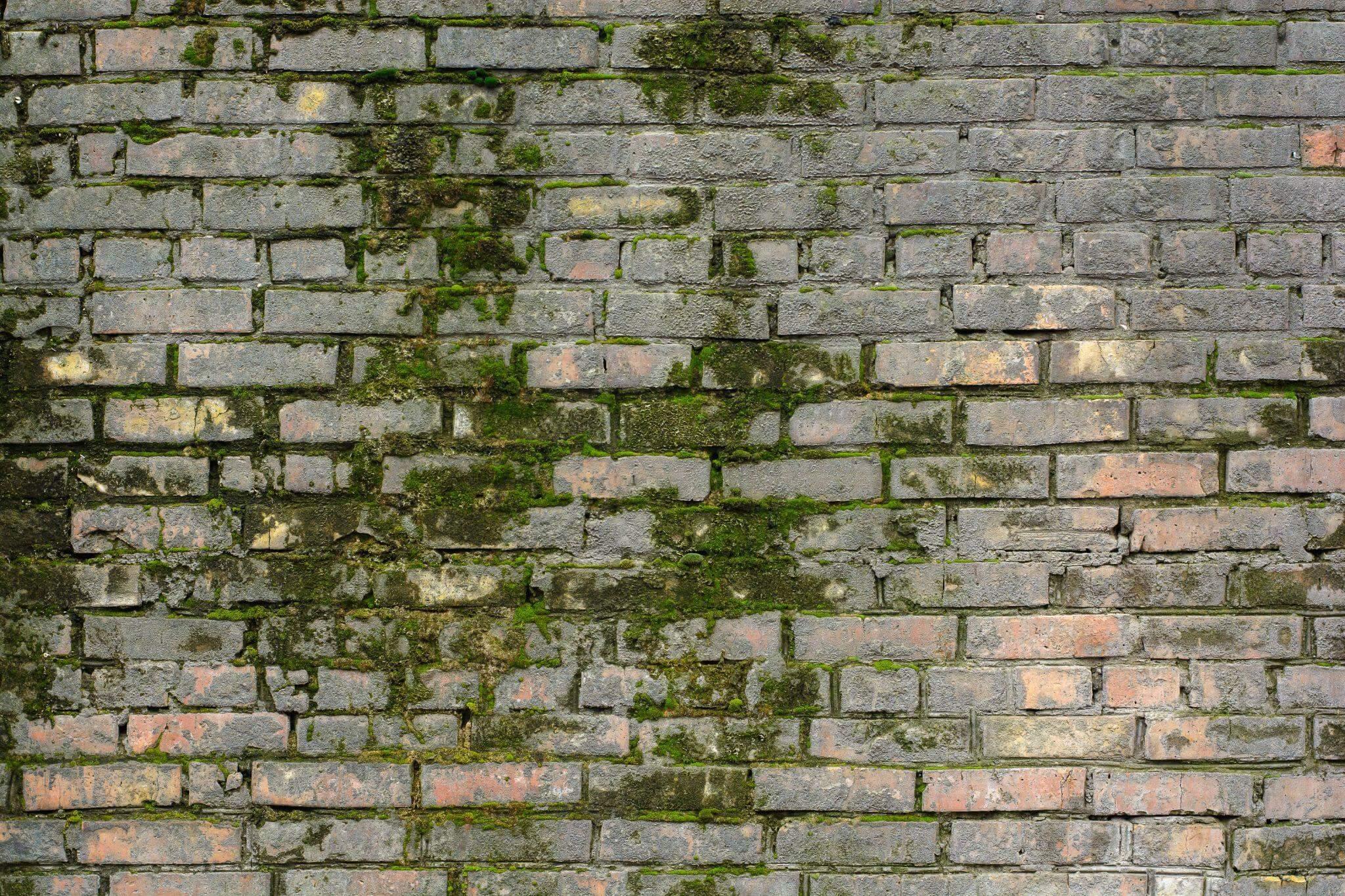
When you see mold growth on brick walls, the construction materials are not necessarily the fungi’s food source. Mold spores typically take root in dirt and organic matter covering the brickwork under the following conditions:
- Moisture present on brick surfaces
- Dirt and grit cling to old brick
- Lack of sunlight on brickwork
Additionally, brick patios and walkways near your garden attract harmless and hazardous mold growth.
Is Mold Damaging to Bricks?
It may come as a surprise, but mold and mildew can negatively affect brickwork. Mold on brick walls and hardscapes traps moisture and the acidic enzymes it produces. Over time, these elements erode bricks and mortar, making the façade structurally unstable. Property owners would be well served to remove mold using DIY techniques or by hiring a professional.
How to Clean Mold Off Brick?
There are a variety of ways to clean mold on brick surfaces. Handy DIY homeowners can usually handle minor mold removal chores. If risky black mold appears, contacting a professional to clean brick surfaces may be prudent. Consider the following when dealing with interior and exterior brick surfaces.
Find the Moisture Source
Mold spores require a source of moisture to thrive. Certain areas of a building lend themselves to dampness, creating a breeding ground for mold spores. Long-term solutions call for finding and eliminating the water source.
- Basements: Check the basement for leaking pipes and naturally occurring condensation. Patch pipes and consider installing a dehumidifier in the basement or crawl space, particularly if you own a brick home.
- Walls and windows: When caulk and other sealant products fail, rainwater enters the walls and windows. Rather than encourage mold growth, weatherize the areas around windows to prevent moisture penetration.
- Gutters: When gutters become clogged with leaves and debris, water pools and overflows into soffits and behind the walls. Consider using a power washer to flush out materials clinging inside the gutters twice annually.
- Roof: Areas of a roof that do not get adequate sunlight can become breeding grounds for moss, mold, and mildew. Aging roofs may allow moisture penetration that spurs mold growth in attics.
- Bathrooms: A common space that can become rife with mildew, mold spores can take root inside the walls. Driven by water seeping through exterior brick walls that need pointing, black mold can spread behind walls and under flooring.
- Plumbing: Periodically check plumbing for minor leaks and condensation. Don’t hesitate to insulate water pipes that are prone to moisture accumulating on the surface.
- HVAC and ductwork: Excess moisture in HVAC ductwork presents a clear danger to occupants. Mold can grow inside the ductwork, and the HVAC system can spread dangerous black mold and other toxins by moving air. Consider checking air filters and having the ductwork checked for cleanliness regularly.
- Chimney: The chimney’s brickwork can allow mold to flourish and enter the building. Check for mold on brick surfaces, cracked mortar joints, and outdated sealant materials.
- Under your house: A stick-built or brick home with a crawl space calls for added anti-moisture systems. Consider insulating exposed water pipes, laying plastic on the ground, and installing a dehumidifier. These measures can minimize the risk of black and green mold growth spreading under the flooring and behind walls.
Along with a moisture resource, mold prefers warm, dark spaces. Check the areas near appliances such as kerosene heaters and gas fireplaces. Also, ensure they are properly vented to minimize condensation from moist air.
Prep Your Materials
Wide-reaching DIY methods and products are available to clean mold on brick surfaces. Property owners will need to assemble the essential tools, materials, and personal protective equipment. Always emphasize safety when using any of the following products and tools to clean mold on brick surfaces:
- Bleach and water mixture
- White vinegar and water mixture
- Mildew removal products
- Muriatic acid
- Baking soda
- Scrub brush
- Spray bottle
- Garden hose
In terms of protective gear, wear rubber gloves, eye protection, coveralls, foot coverings, breathable masks, and something to prevent harsh or natural brick-cleaning mixtures from landing in your hair or on your head. A chemical solution such as muriatic acid will burn the skin on contact and should not be breathed into the lungs. Once you have donned the appropriate protective gear, move forward with your DIY mold remediation project.
Remove Dirt and Dust From the Brick
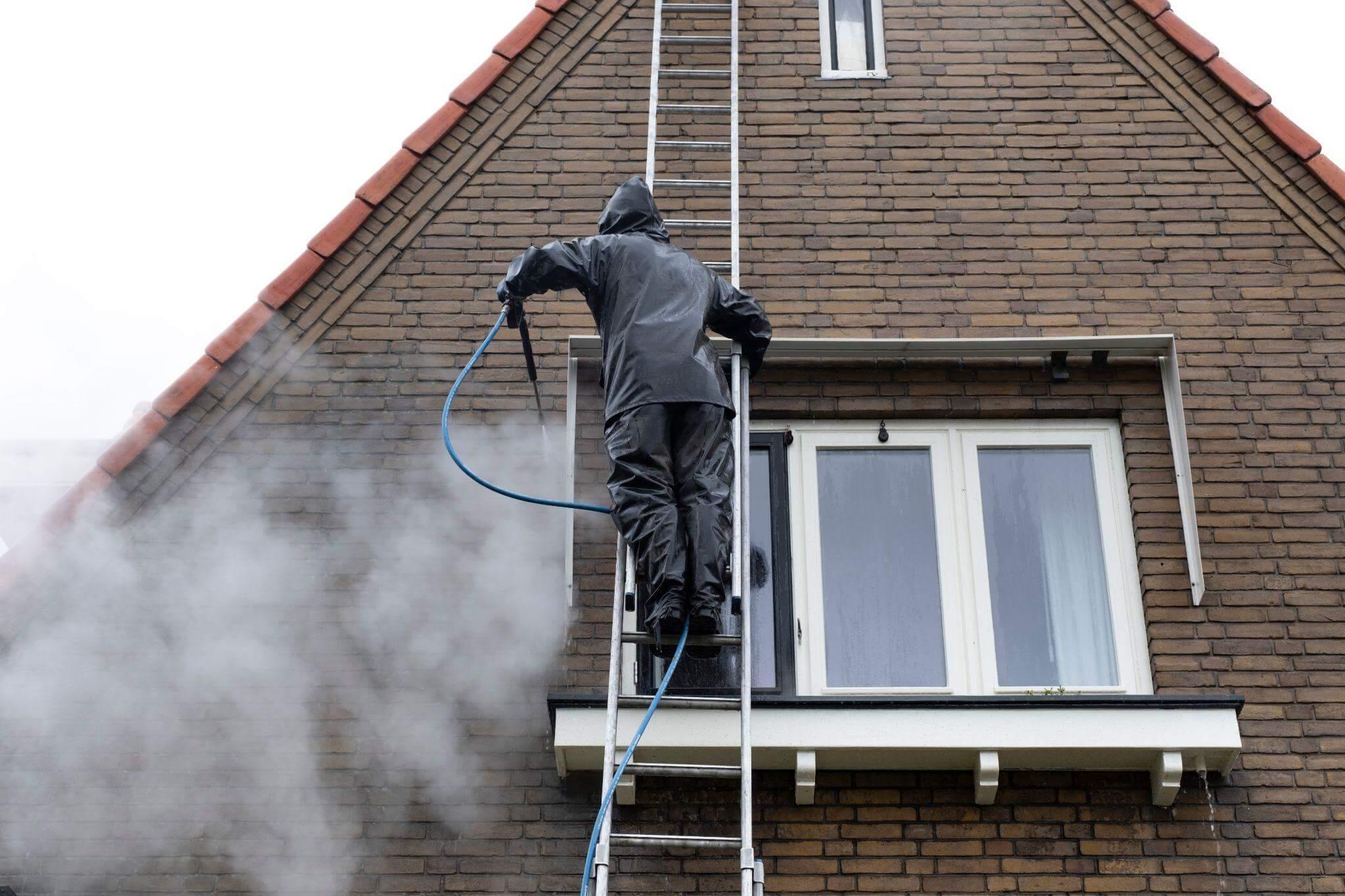
Start by addressing the caked-on dirt, grit, and organic materials clinging to the brick structure. Using a stiff-bristled brush, scrape away the easy-to-remove matter. Using a soft brush on the brick surface after removing the hardened raw materials helps sweep away dust residue. These are other ways to remove dirt and dust from a brick house or structure:
- Deploy a pressure washer connected to a garden hose
- Use a hard-bristled broom to clean walkways and hardscapes
- Repeat the sweeping process with a more refined bristled broom
Removing dirt and dust as an initial step allows you to reach the core problem. Mold spores grab hold of brick walls and hardscapes with tough-to-sever roots.
Let the Vinegar Soak in
Most DIY mold removal projects use vinegar as a default cleaning solution. It ranks among the more readily available home products. Other options include mixing baking soda or bleach with water. These are basic cleaning solutions used for cleaning mold on brick surfaces:
- Bleach: Mix 1 part bleach to 10 parts water.
- Baking soda: Mix 1 ounce of baking soda with 16 ounces of water.
- White vinegar: Mix equal parts of white vinegar with water.
Masons tend to utilize commercial products such as muriatic acid. Even if you are a handy DIY homeowner, muriatic acid poses a significant health and safety risk that may not make sense for your mold remediation project.
Finish Cleaning and Monitor the Area
Your mold growth cleaning solution needs to soak for a minimum of one hour. In many instances, community members let it sit on brick walls and hardscapes overnight. Take a garden hose or pressure washer with clean water and spray the brick surface. Once the cleaning solution and debris have been removed, decide whether to repeat the process.
The Importance of Protective Gear When Cleaning Mold
Exposure to airborne mold spores can cause lasting health conditions and short-term illnesses. Before starting any DIY home improvement project that involves hazardous mold, harsh cleaning solutions, or the use of equipment, err on the side of caution and wear proper protective gear at all times.
Why Our Customers Choose Batchelder & Collins
At Batchelder & Collins, we work closely with homeowners, contractors, and commercial building owners to provide high-quality materials and products. We offer a variety of standard brick products, brick veneers, and hardscape materials.
Testimonials
“I’ve been coming here for over 20 years and my preferred brick yard of the area! Friendly, professional and prompt service!” — James H.
“What an amazing place. I brought in a brick that was from my 10yr old house. They didn’t stock the brick anymore, but they matched it pretty well. They have 2 yards full of brick and stone. They have this beautiful fire pit display outside. Wish I could take that home with me.” — Jacqueline K.
“Very helpful staff. Helped me in deciding how many and of which bricks to get. Very quick in and out process they have set up.” — Victor P.
We Can Get You Started on Your Brick Maintenance and Cleaning Project
At Batchelder & Collins, we have everything homeowners and business owners need to remove mold on brick surfaces. We also offer a diverse inventory of high-quality bricks and hardscape materials. Contact our team today at 757-625-2506 or fill out our online contact form. Let’s get the process started.


